

Wed 18 Nov10:45–11:15amFestival Stage
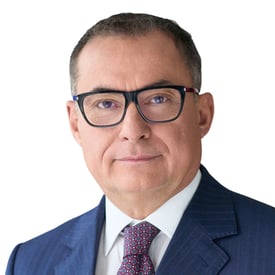
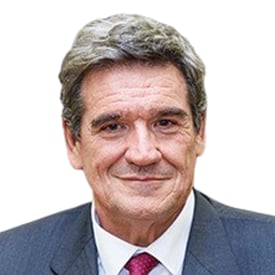
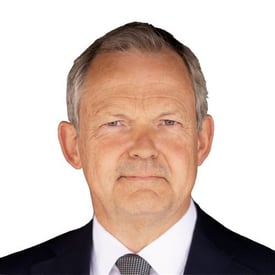
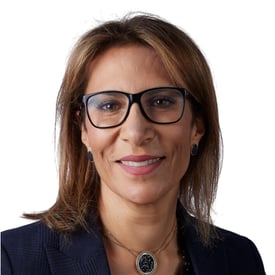
Policymakers’ Dialogue: The Next Chapter in Financial Innovation
Add to calendar

About This Session
Europe has taken important steps to shape its financial future, from advancing integrated payments and digital financial regulation to exploring tokenised markets and the next generation of financial infrastructure. As AI and new forms of digital money reshape the financial landscape, central banks must continue to navigate their responsibilities for monetary and financial stability while responding to the opportunities and risks that innovation presents.
This dialogue brings together European central bank leaders to reflect on what Europe’s experience so far reveals about navigating financial innovation, how different approaches have emerged across markets, and what the next phase will require. As technology advances at an accelerating pace, is policy keeping up - and should it move faster? The discussion will explore how central banks should approach their role in this environment, and whether trade-offs between innovation, stability and sovereignty are inevitable.
- When
- Wednesday 18 November10:45–11:15am, Singapore time
- Where
- Festival StageHall 1, Singapore EXPO
- Access
- Premium Premium sessionWith a Delegate, Executive, Startup, Policy, Academic or Media Pass. You can also watch it online with a Livestream Pass.Compare all passes
More Policy Rewiring Sessions
-
12:45–1:30pmWed 18 NovPolicy StageHall 3, Singapore EXPOOpen
Policy Rewiring
Central Banks and Future Payment Systems: Priorities, Trade-offs, and Opportunities for Cross-Border Collaboration
-
 Daranee SaejuDeputy Governor, Payment Systems Stability & Financial Services SupervisionBank of Thailand
-
 Sasha MillsExecutive Director of Financial Market InfrastructureBank of England
-
 Dr. Alexandra HachmeisterDirector General Digital EuroDeutsche Bundesbank
-
 Tommaso Mancini-GriffoliHead of the Innovation HubBank for International SettlementsModerator
About this session
As financial systems evolve, central banks face a dual challenge -modernising the infrastructure that works today while building the foundations for what comes next. This means making strategic choices around the future of digital money and settlement, wholesale and retail systems connectivity across borders, and the interoperability, liquidity and governance arrangements that underpin them. At the same time, an increasingly AI-enabled financial system is raising the bar for the safety, reliability and resilience of critical payment infrastructure. This panel will discuss the key building blocks for the next generation of payments and where deeper cross-border collaboration can deliver capabilities that individual jurisdictions cannot achieve alone.
-
-
1:30–1:45pmWed 18 NovPolicy StageHall 3, Singapore EXPOOpen
Policy Rewiring
Stablecoins: Can Europe Catch the Wind?
About this session
Howard Davies, the chairman of Qivalis, will assess the state of play on stablecoin developments in the EU. Which companies are active? How does the EU regulatory framework compare with others? What use cases are envisaged, and how will they sit alongside the digital euro under construction by the European Central Bank?
Qivalis is an innovative new venture, owned by a large consortium of EU banks, offering a new approach to the marketplace. Having now received regulatory approval it expects to launch in Q1 of 2027. -
1:45–2:15pmWed 18 NovPolicy StageHall 3, Singapore EXPOOpen
Policy Rewiring
Stablecoins: From Fringe to Framework
-
 Nicole SandlerChief Ecosystem OfficerUbyx Inc
-
 Peter KerstensAdvisor, DG FISMAEuropean Commission
-
 Walter HessertHead of StrategyPaxos
-
 Gabriel LeeAdvisorGlobal Finance & Technology Network (GFTN)Moderator
About this session
Stablecoins have moved out of the regulatory grey zone and into a proper legal framework. That shift changes the question facing every institution, from whether to engage at all to exactly how. Regulators in different markets are setting the terms at different speeds, and institutions no longer have the luxury of waiting for global consensus before deciding. This discussion works through the practical choices on the table: issuing, distributing or custodying stablecoins directly, against the risk of simply watching deposits drift toward whichever option moves fastest. Participants leave with a sharper sense of where their own institution sits on that spectrum, and what waiting actually costs under the new rules. One key question the discussion will dive into: whether to issue, distribute or custody stablecoins themselves, or simply watch deposits migrate to them regardless.
-
