

Fri 20 Nov3:30–4:00pmCatalyst Stage
Skills Gaps and the Shape of Tomorrow's Financial Institutions
Add to calendar

About This Session
Talent rewiring is redrawing the map itself, institutions now follow people first, capital and headquarters second. Financial institutions increasingly decide where to build based on where the talent already is, not just where capital or headquarters sit. This discussion looks at how that dynamic is redrawing where financial institutions locate technology and operations, and what it means for markets competing to become talent hubs rather than just financial centres. The key question it looks to answer: is the future of finance shaped more by where the talent is than by where the capital is?
- When
- Friday 20 November3:30–4:00pm, Singapore time
- Where
- Catalyst StageHall 3, Singapore EXPO
- Access
- Open Open sessionWith a Delegate, Executive, Startup, Policy, Academic, MeetUp or Trade Visitor Pass. The Trade Visitor Pass is complimentary.Compare all passes
Speakers
-
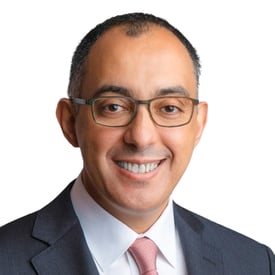
Mostapha Tahiri
President of State Street Alpha & Chairman, Asia Pacific
State Street
-
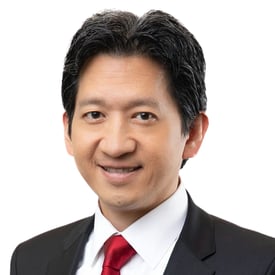
Osamu Abe
Chief of Staff, Asia Pacific
MUFG Bank Ltd
-
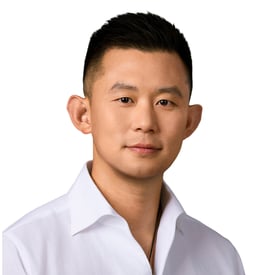
Yang Dongye
Senior Director, Global Strategic Development Center; Programme Director, 10x1000 Tech for Inclusion
Ant International
-
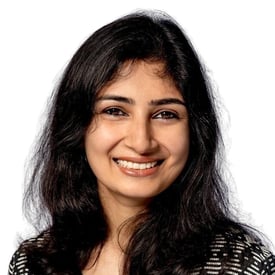
Akanksha Rath
Head of Capacity Building
Global Finance & Technology Network (GFTN)
Moderator
More Talent Rewiring Sessions
-
4:40–5:15pmFri 20 NovFounders StageHall 2, Singapore EXPOPremium
Talent Rewiring
Prototype Rich, Capital Poor: Fixing the University-to-Market Gap
About this session
Universities are some of the most productive IP engines in the world. Researchers and students build new technology, file patents and often ship working prototypes. Then too much of it stalls. The people who invent are rarely the people who raise money, price a licence or find a first customer. Tech transfer offices work to academic timelines while capital works to market ones, so good IP sits on the shelf.
This panel asks two questions. First, what should universities change so their IP becomes investable: spin-out terms, founder support, equity and licensing models, and incentives for faculty? Second, should investors stop waiting for deals to show up and go into campuses to find them? We'll look at what each side gets wrong about the other, and what a working lab-to-market pipeline looks like. -
11:15–11:45amWed 18 NovFestival StageHall 1, Singapore EXPOPremium
Talent Rewiring
From Digital to Intelligent: Who Will Build the Next Financial System?
-
 Yang PengChief Executive OfficerAnt International
-
 Surendra RoshaCo-Chief Executive, Asia and Middle EastHSBC
About this session
Asia’s financial system is entering its next transformation. As AI, real-time payments and embedded finance reshape how money moves and financial services are delivered, the boundaries between banks, technology companies and platforms are rapidly dissolving. This session explores who will build, and control, the next generation of financial infrastructure. The conversation examines how technology and traditional finance will converge, where new sources of competitive advantage will emerge, and whether Asia will pioneer a fundamentally new model for intelligent, interconnected finance.
-
-
11:45am–12:20pmWed 18 NovFestival StageHall 1, Singapore EXPOPremium
Talent Rewiring
Building the Capacity to Thrive: Can Digital Infrastructure Create the Next Generation of Inclusive Economies?
About this session
Digital infrastructure can lower barriers to financial services, markets and public support, but access alone does not guarantee participation or prosperity. The harder task is building the skills, institutions, trust and locally relevant services that let people and businesses turn connectivity into opportunity. Drawing on experience across policy, development and fintech, this session examines what helps digital systems reach underserved communities, support livelihoods and strengthen local economies, and where infrastructure-led strategies fall short. Attendees will leave with a clearer view of the capabilities required to make digital growth genuinely inclusive.