

Wed 18 Nov1:30–1:45pmPolicy Stage
Stablecoins: Can Europe Catch the Wind?
Add to calendar

About This Session
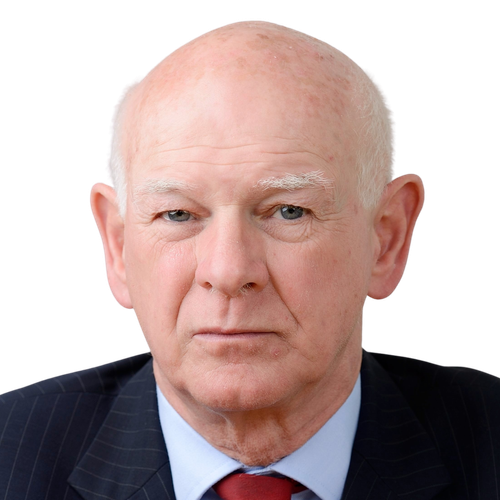
Howard Davies, the chairman of Qivalis, will assess the state of play on stablecoin developments in the EU. Which companies are active? How does the EU regulatory framework compare with others? What use cases are envisaged, and how will they sit alongside the digital euro under construction by the European Central Bank?
Qivalis is an innovative new venture, owned by a large consortium of EU banks, offering a new approach to the marketplace. Having now received regulatory approval it expects to launch in Q1 of 2027.
- When
- Wednesday 18 November1:30–1:45pm, Singapore time
- Where
- Policy StageHall 3, Singapore EXPO
- Access
- Open Open sessionWith a Delegate, Executive, Startup, Policy, Academic, MeetUp or Trade Visitor Pass. The Trade Visitor Pass is complimentary.Compare all passes
More Policy Rewiring Sessions
-
1:45–2:15pmWed 18 NovPolicy StageHall 3, Singapore EXPOOpen
Policy Rewiring
Stablecoins: From Fringe to Framework
-
 Nicole SandlerChief Ecosystem OfficerUbyx Inc
-
 Peter KerstensAdvisor, DG FISMAEuropean Commission
-
 Khairi AzmiHead of APACPaxos
-
 Gabriel LeeAdvisorGlobal Finance & Technology Network (GFTN)Moderator
About this session
Stablecoins have moved out of the regulatory grey zone and into a proper legal framework. That shift changes the question facing every institution, from whether to engage at all to exactly how. Regulators in different markets are setting the terms at different speeds, and institutions no longer have the luxury of waiting for global consensus before deciding. This discussion works through the practical choices on the table: issuing, distributing or custodying stablecoins directly, against the risk of simply watching deposits drift toward whichever option moves fastest. Participants leave with a sharper sense of where their own institution sits on that spectrum, and what waiting actually costs under the new rules. One key question the discussion will dive into: whether to issue, distribute or custody stablecoins themselves, or simply watch deposits migrate to them regardless.
-
-
2:15–2:45pmWed 18 NovPolicy StageHall 3, Singapore EXPOOpen
Policy Rewiring
RWA & Tokenization: When the Asset Becomes a Token, What Happens to the Rules?
-
 Audrey MetzgerDirector of Innovation & Financial Market InfrastructuresBanque de France
-
 Dr. Nopnuanparn PavasantAssistant Secretary-GeneralSEC Thailand
-
 Scott BauguessVice President, Global Regulatory & International PolicyCoinbase
-
 Prof. Tālis PutniņšCo-Chief Executive Officer & Chief ScientistDFCRCModerator
About this session
Tokenization is moving real-world assets such as treasuries, funds and credit onto new digital rails. The technology is advancing quickly. The harder question is whether the legal and regulatory framework can keep pace. When an asset becomes a token, does it retain the same rights and protections? Who owns the underlying asset? Which jurisdiction's rules apply when the token crosses a border? And what happens when different markets take different approaches? This conversation brings regulators and market participants together to examine where the rules are clear, where they diverge, and what still needs to be resolved for tokenized assets to scale.
-
-
2:45–3:15pmWed 18 NovPolicy StageHall 3, Singapore EXPOOpen
Policy Rewiring
Cross-Border Connectivity: How Regional Blocs are Building Their Own Financial Integration
-
 Clara B. ArthurChief ExecutiveGhana Interbank Payment & Settlement Systems (GhIPSS)
-
 José BeltránBoard ChairNexus Global Payments Ltd
-
 Yasuto WatanabeChief Executive Officer & DirectorASEAN+3 Macroeconomic Research Office (AMRO)
-
 Maha El DimachkiChief Executive Officer, GFTN SolutionsGlobal Finance & Technology Network (GFTN)Moderator
About this session
Not every country can build global-scale financial infrastructure alone. Across the world, groups of countries are pooling resources, coordinating oversight, and interlinking systems regionally, choosing collective action over waiting for a single global standard or going it alone.
This panel brings together three different models of that regional playbook. The discussion works through what it takes to build financial cooperation at the bloc level: how these regional mechanisms actually got built, what kept smaller or newer members willing to join in, and where this collective model succeeds — or strains — compared to a single institution building alone. Attendees leave with a practical view of when banding together beats going it alone, and what it costs to make that work. -