

Wed 18 Nov2:15–2:45pmPolicy Stage
RWA & Tokenization: When the Asset Becomes a Token, What Happens to the Rules?
Add to calendar

About This Session
Tokenization is moving real-world assets such as treasuries, funds and credit onto new digital rails. The technology is advancing quickly. The harder question is whether the legal and regulatory framework can keep pace. When an asset becomes a token, does it retain the same rights and protections? Who owns the underlying asset? Which jurisdiction's rules apply when the token crosses a border? And what happens when different markets take different approaches? This conversation brings regulators and market participants together to examine where the rules are clear, where they diverge, and what still needs to be resolved for tokenized assets to scale.
- When
- Wednesday 18 November2:15–2:45pm, Singapore time
- Where
- Policy StageHall 3, Singapore EXPO
- Access
- Open Open sessionWith a Delegate, Executive, Startup, Policy, Academic, MeetUp or Trade Visitor Pass. The Trade Visitor Pass is complimentary.Compare all passes
Speakers
-
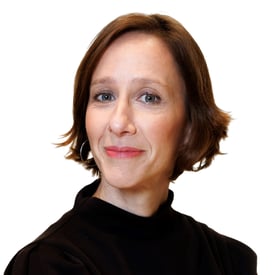
Audrey Metzger
Director of Innovation & Financial Market Infrastructures
Banque de France
-
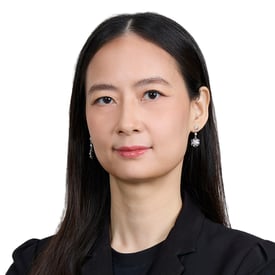
Dr. Nopnuanparn Pavasant
Assistant Secretary-General
SEC Thailand
-
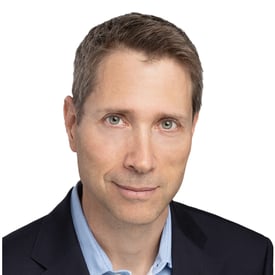
Scott Bauguess
Vice President, Global Regulatory & International Policy
Coinbase
-
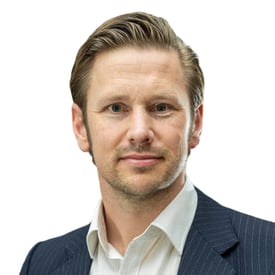
Prof. Tālis Putniņš
Co-Chief Executive Officer & Chief Scientist
DFCRC
Moderator
More Policy Rewiring Sessions
-
2:45–3:15pmWed 18 NovPolicy StageHall 3, Singapore EXPOOpen
Policy Rewiring
Cross-Border Connectivity: How Regional Blocs are Building Their Own Financial Integration
-
 Clara B. ArthurChief ExecutiveGhana Interbank Payment & Settlement Systems (GhIPSS)
-
 José BeltránBoard ChairNexus Global Payments Ltd
-
 Yasuto WatanabeDirector & Chief Executive OfficerASEAN+3 Macroeconomic Research Office (AMRO)
-
 Maha El DimachkiChief Executive Officer, GFTN SolutionsGlobal Finance & Technology Network (GFTN)Moderator
About this session
Not every country can build global-scale financial infrastructure alone. Across the world, groups of countries are pooling resources, coordinating oversight, and interlinking systems regionally, choosing collective action over waiting for a single global standard or going it alone.
This panel brings together three different models of that regional playbook. The discussion works through what it takes to build financial cooperation at the bloc level: how these regional mechanisms actually got built, what kept smaller or newer members willing to join in, and where this collective model succeeds — or strains — compared to a single institution building alone. Attendees leave with a practical view of when banding together beats going it alone, and what it costs to make that work. -
-
3:15–3:30pmWed 18 NovPolicy StageHall 3, Singapore EXPOOpen
Policy Rewiring
Transforming Financial Supervision Through Technology, Globally
About this session
In this session, Marlene Amstad, Chair of FINMA and Chair of the IOSCO SupTech Forum, whose members oversee jurisdictions covering roughly 90% of global securities markets, shows how international cooperation on technology can transform financial supervision worldwide: detecting risks earlier, working more efficiently and strengthening trust across borders.
-
3:30–4:00pmWed 18 NovPolicy StageHall 3, Singapore EXPOOpen
Policy Rewiring
Can Regulation Be Written Into Money Itself? The Case for Rules in the Rails, Tokenized Deposits & Conditional Money
-
 Dr. Eva HüpkesSecretary GeneralInternational Association of Deposit Insurers
-
 Ivan OdonnatGeneral Director for Financial Stability & OperationsBanque de France
-
 Kazuki UedaDirector, Head of Fintech GroupBank of Japan
-
 Chavi JafaSenior Vice President, Head of Commercial & Money Movement Solutions, Asia PacificVisaModerator
About this session
Tokenized deposits and conditional money take the programmability idea one layer deeper. They pilot whether settlement, eligibility and compliance can be embedded directly in the money rather than enforced around it. That raises a regulatory question few frameworks have caught up with: who is liable when the rule embedded in the transaction, not a human decision, turns out to be wrong. This discussion examines how the embedded-rules approach works in practice, and what it removes from the compliance function. It also looks at what new failure modes this introduces once the rule is baked into the transfer rather than checked afterwards. Attendees leave with a clearer view of where this model is genuinely ready, and where regulators are still working out how to hold it accountable. One key question the discussion will dive into: if compliance is embedded in the money itself, who is accountable when the embedded rule is wrong?
-
